June 16, 2026
Managing trees on a residential property requires careful consideration of safety, aesthetics, and structural integrity. Homeowners often face the challenge of determining when a tree has become a hazard or when it simply outgrew its space. This guide provides a detailed look at the core principles of proper arboreal management, ensuring that property owners can make informed decisions. By understanding the lifecycle of large plants and the potential risks they pose, individuals can maintain a secure environment for their families and neighbors. Effective management contributes to the overall value of a property and prevents sudden damage during severe weather events.
Navigating the complexities of property upkeep involves recognizing when professional intervention is necessary. Large projects often require specialized knowledge regarding species conservation and risk mitigation. This article outlines five essential categories of tree management, from initial health assessments to final site restoration. Each section breaks down the practical considerations needed to handle these tasks efficiently. By following these guidelines, property owners can ensure that their outdoor spaces remain vibrant, orderly, and free from hidden dangers that compromised vegetation might cause over time.
Assessing Tree Health and Damage
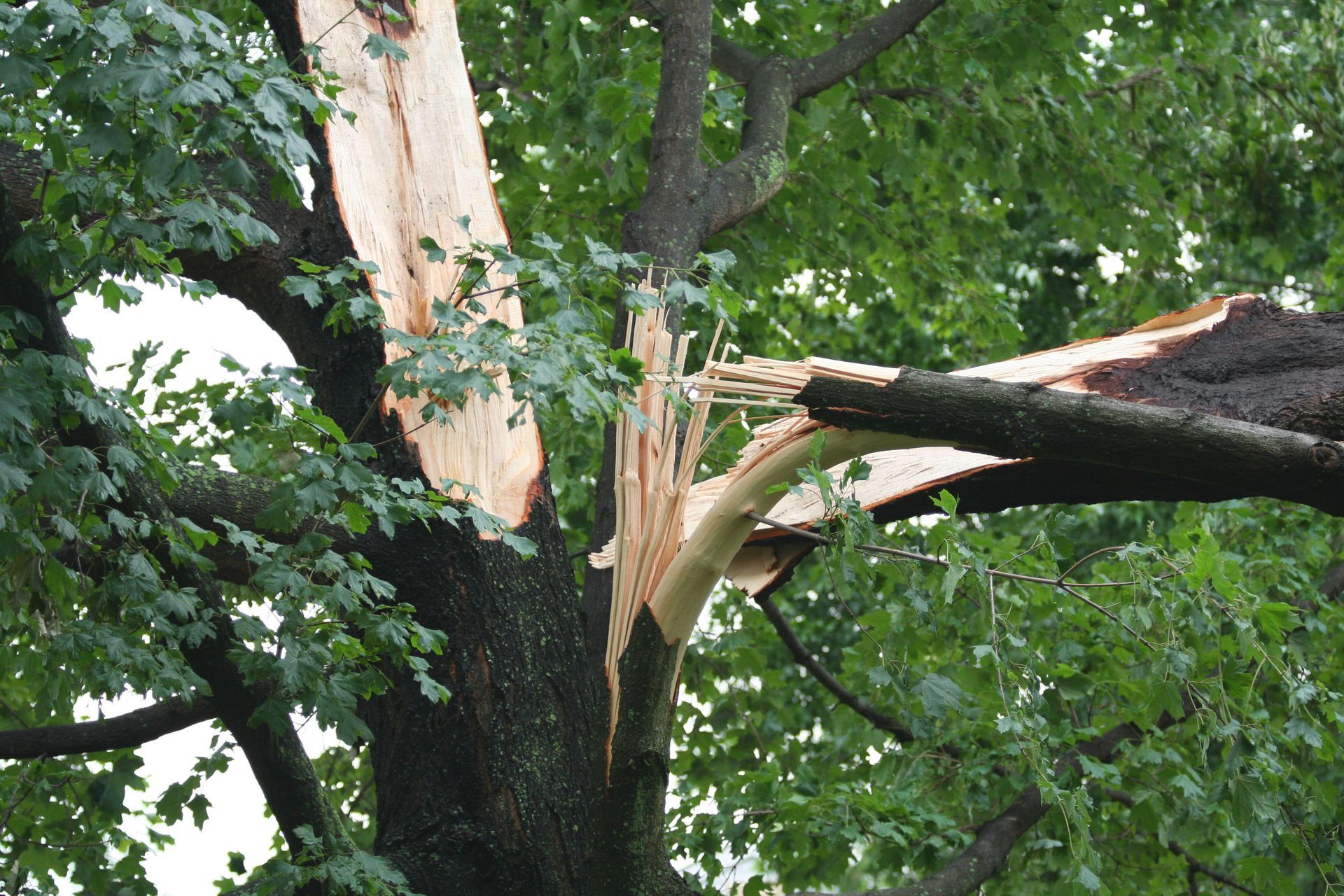
Determining whether a tree requires extraction begins with a thorough evaluation of its physical condition. Large specimens can suffer from various afflictions, including fungal infections, pest infestations, and advanced decay. These health issues manifest as bare branches in the canopy, peeling bark, or unusual growths around the base. When a tree enters a state of irreversible decline, it becomes a structural liability to nearby buildings and power lines. Regular inspections help identify these vulnerabilities early, allowing property owners to address the situation before an emergency occurs.
Structural integrity is another crucial aspect. A tree with a weakened structure, such as a hollow trunk or significant lean, is often at risk of falling. According to Forbes, even trees in good health leaning more than 15% off of vertical plumb should be removed as they are safety concerns. Internal decay often compromises the hidden core of the trunk, making it impossible for the root system to support the heavy upper canopy. When these structural imbalances are identified, utilizing a professional service for local tree removal becomes the most prudent course of action to protect the surrounding area.
Navigating Municipal Regulations and Permissions
Before altering any major landscape features, property owners must familiarize themselves with local ordinances governing vegetation management. Many municipalities enforce strict bylaws regarding the extraction of mature trees, especially native species or those with historical significance. Unauthorized extraction can result in substantial monetary penalties and legal complications. Researching city codes ensures that all actions align with environmental protections and neighborhood standards. Certain zones may require specific documentation from a certified arborist before any physical work can commence.
Acquiring the necessary permits involves submitting detailed documentation regarding the location, size, and condition of the vegetation in question. City officials review these applications to verify that the extraction is justified by safety concerns or approved construction plans. In some jurisdictions, property owners are mandated to plant replacement trees to maintain the local canopy percentage. Engaging a qualified expert who understands the nuances of local tree removal permits can streamline this administrative process and ensure full compliance with municipal guidelines.
Preparing Advanced Gear and Machinery
Large-scale landscape modifications demand a sophisticated array of mechanical equipment to ensure efficiency and safety. Industrial chainsaws, rigging ropes, and lowering devices are standard necessities for handling heavy timber. Each piece of machinery must undergo rigorous pre-operational checks to confirm that chains are sharp, fuel levels are adequate, and safety brakes function correctly. Operating this caliber of equipment requires specialized training, as improper handling can lead to catastrophic property damage or severe personal injury.
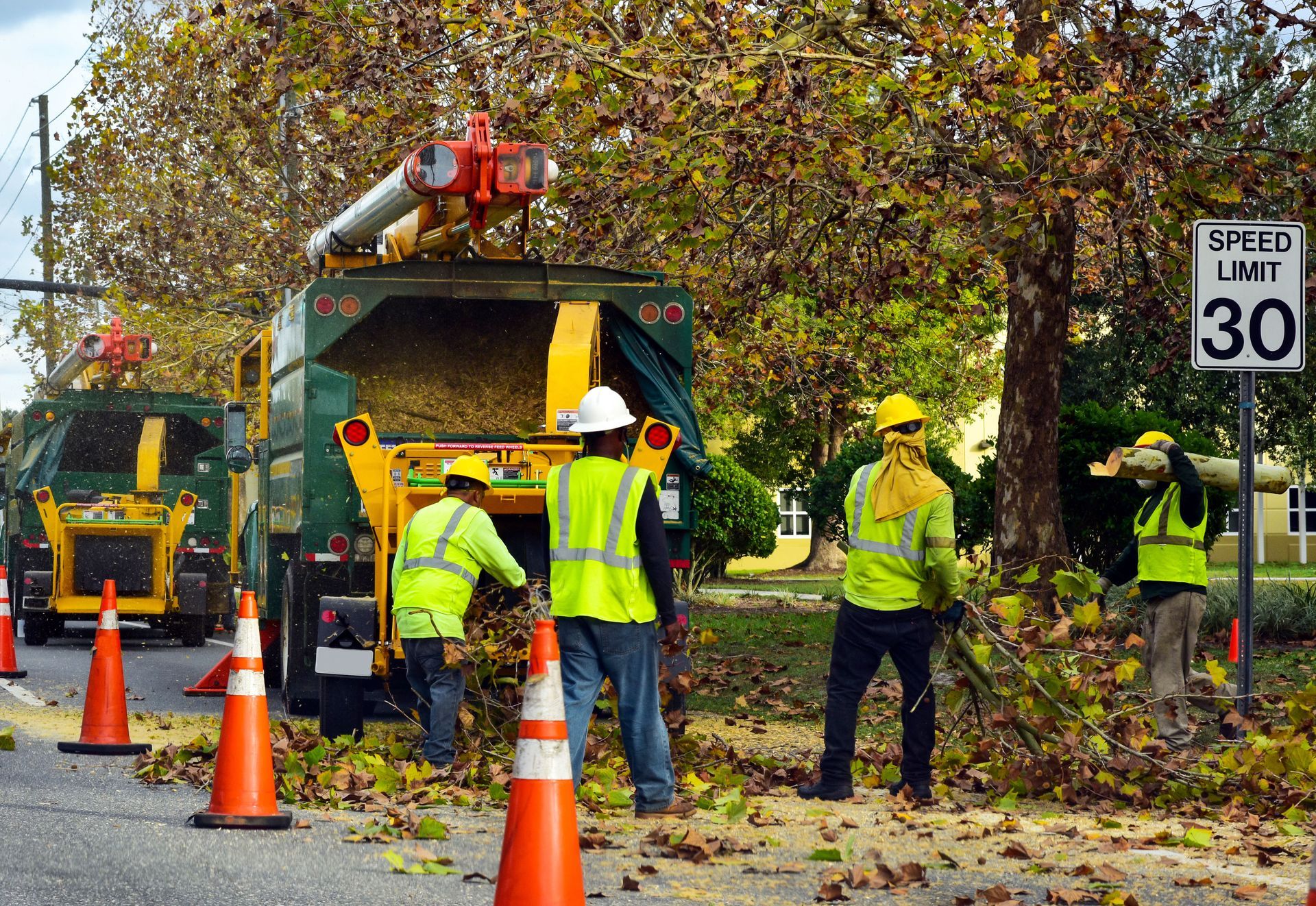
In addition to cutting implements, heavy machinery such as wood chippers and aerial lifts are frequently deployed on-site. Aerial lifts allow operators to access the upper canopy safely, systematically dismantling the tree from the top down. Wood chippers process the resulting debris immediately, converting bulky limbs into manageable mulch. Because the logistical demands of acquiring and maintaining this equipment are extensive, most property owners rely on established teams specializing in local tree removal to provide the necessary tools and technical expertise.
Executing Controlled Cutting Practices
The physical extraction of a large tree requires precise physics and meticulous situational awareness. Operators must carefully calculate the natural lean of the trunk, wind velocity, and the weight distribution of the upper branches. Creating a clear drop zone and establishing multiple escape routes for the ground crew are mandatory safety protocols. The process begins with systematic limbing, where lower branches are removed to prevent the trunk from kicking back or twisting unexpectedly during the final cuts.
The actual felling process relies on a sequence of technical cuts at the base of the trunk. A directional notch is carved into the side facing the intended fall zone, acting as a guiding hinge. The final back cut is executed from the opposite side, slightly above the notch vertex, leaving a precise strip of holding wood. This holding wood controls the descent of the tree, ensuring it lands precisely where planned. Given the high stakes involved in these maneuvers, experienced personnel utilize local tree removal techniques designed to minimize impact on the surrounding turf and structures.
Implementing Thorough Stump Eradication
Once the main structure of the tree is gone, the remaining stump presents its own set of challenges. Leaving a stump in place can create a tripping hazard, interfere with lawn maintenance equipment, and attract wood-boring pests like termites or carpenter ants. Over time, the underground root system may continue to sprout unwanted suckers, draining nutrients from the surrounding soil. Complete eradication ensures that the entirety of the plant is neutralized, clearing the way for future landscaping projects or construction.
Mechanical grinding is the most efficient method for addressing leftover bases, utilizing a high-speed wheel with carbide-tipped teeth to reduce the wood to mulch. This machinery obliterates the stump to several inches below the soil surface, destroying the immediate root crown. The resulting mixture of soil and wood chips can be used as backfill for the newly created crater. Enlisting a professional team fluent in local tree removal guarantees that the stump grinding process is handled smoothly without disrupting underground utility lines.
Planning Post-Extraction Restoration and Replanting
The completion of physical extraction marks the beginning of the site reclamation phase. The heavy foot traffic and machinery involved in the project can compact the soil, reducing its ability to absorb water and oxygen. Property owners should focus on aerating the affected ground and incorporating organic matter to restore soil health. Testing the nutrient levels of the earth allows for targeted fertilization, ensuring that future ground cover or ornamental plants can thrive in the newly cleared space.
Selecting appropriate replacements involves researching species that fit the specific light, soil, and moisture conditions of the yard. Selecting native plants often yields the best results, as they are naturally adapted to the regional climate and require less supplemental irrigation. For comprehensive assistance with every phase of this process, from initial hazard assessment to final landscape restoration, property owners can rely on H&M Tree Service Inc. Our expert team delivers top-tier local tree removal and property maintenance solutions designed to keep your outdoor spaces pristine and secure for years to come.