October 20, 2026
A healthy yard takes more than mowing the lawn and keeping flower beds tidy. Trees influence shade, drainage, wildlife, curb appeal, and the overall safety of outdoor spaces. When branches become overgrown, roots are damaged, or pests begin to spread, problems can affect the entire property. The right tree services help address those concerns before they become expensive or dangerous.
Tree services can also save homeowners time. According to Harris Poll research, although 90% of yard owners believe maintenance matters, two out of three would rather hire a professional to care for their trees and shrubs because the work can be complex and risky. Knowing which services make a meaningful difference helps you prioritize work and build a healthier yard without taking on every task yourself.
What Benefits Do Tree Services Offer for a Healthier Yard?
Trees do much more than make a property look established. Healthy trees provide shade that can make outdoor areas more comfortable and reduce heat around the home. Their leaves capture some airborne particles, while trees and shrubs offer food and shelter for birds, pollinators, and other wildlife. A varied, well-maintained landscape can support local biodiversity and make the yard more inviting throughout the year.
Routine tree services preserve structure and reduce hazards. Removing deadwood, addressing crossing branches, and identifying weak limbs can lower the risk of falling branches. Selective pruning can also improve airflow and light penetration, but excessive removal of healthy foliage may stress a tree.
A balanced canopy frames a home and keeps paths and driveways clear. If a tree is declining or poorly positioned, an arborist can explain whether pruning, treatment, or removal makes the most sense.
How Do I Choose the Right Tree Service Provider?
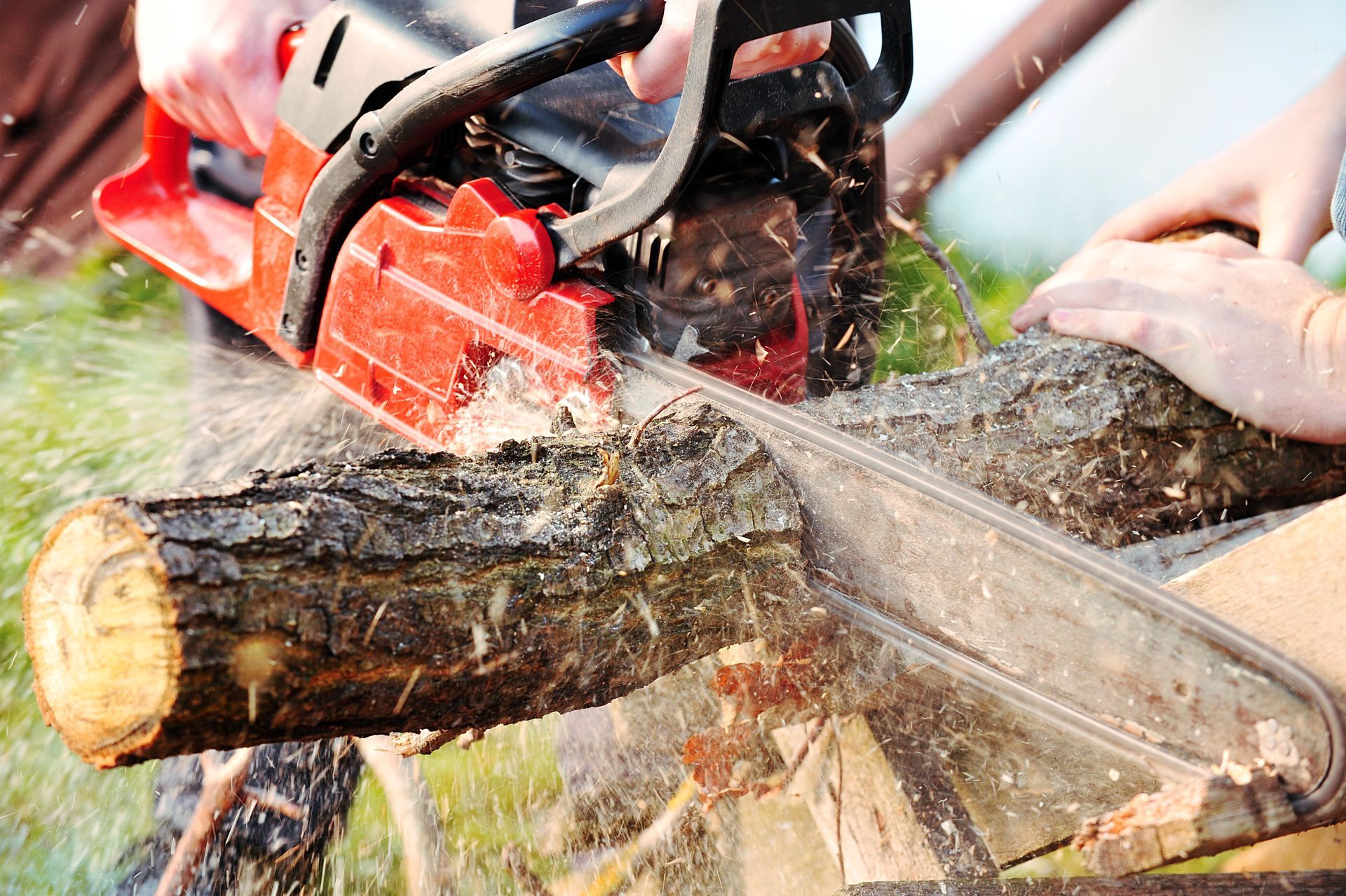
Start by looking for a company with relevant experience, appropriate insurance, and a clear safety process. Tree work can involve chainsaws, heavy equipment, climbing, and falling limbs. Ask for proof of liability insurance and workers' compensation coverage where applicable, and confirm that the company follows local rules for permits, protected trees, and disposal.
For complex tree-health questions, ask whether an International Society of Arboriculture (ISA)-certified arborist will inspect the property or supervise the work. Ask who will perform the work and whether the crew has appropriate training and equipment.
Get a written estimate covering the work, cleanup, disposal, and additional charges. Clarify whether stump grinding is included with removal, and ask how the crew will protect lawns, gardens, fences, driveways, and nearby structures. A reliable provider explains its recommendations without pressuring you into unnecessary work.
Be cautious of unsolicited storm-related offers, vague low bids, and claims that every tree needs the same treatment. For major work, consider a second opinion.
What Are the Common Tree Services Available?
Pruning is one of the most common forms of maintenance. Tree services may include removing dead, damaged, diseased, or poorly placed branches, improving clearance over walkways, or helping develop a stronger structure in a young tree. Good pruning is selective: topping a tree or removing large amounts of healthy foliage can cause lasting damage and should not be treated as routine care.
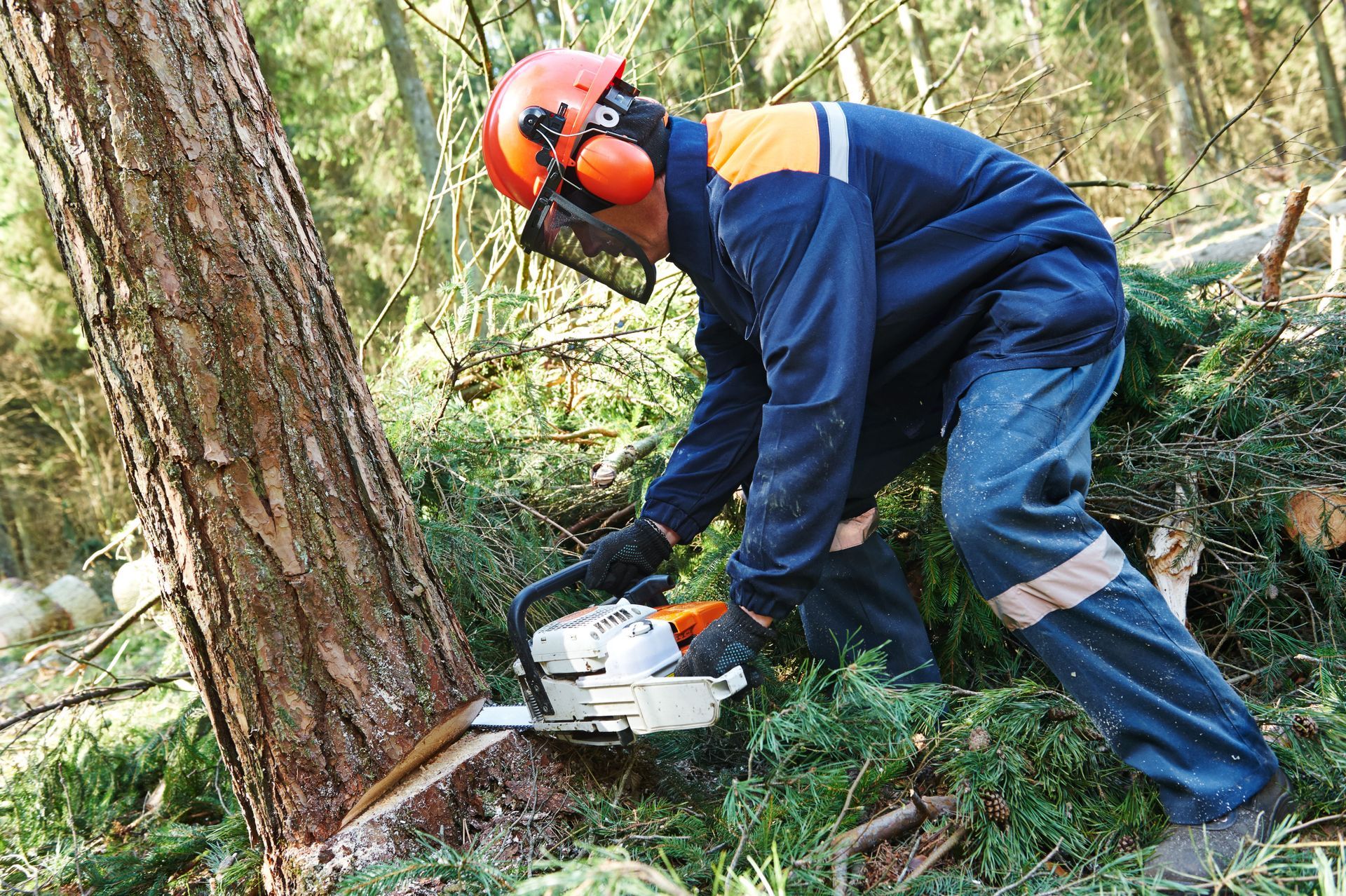
Tree removal may be necessary when a tree is dead, severely damaged, unsafe, or conflicts with a project. It can be hazardous near buildings and utility lines, so it is not a do-it-yourself job. Before removing a mature tree, ask whether pruning or another option could address the concern.
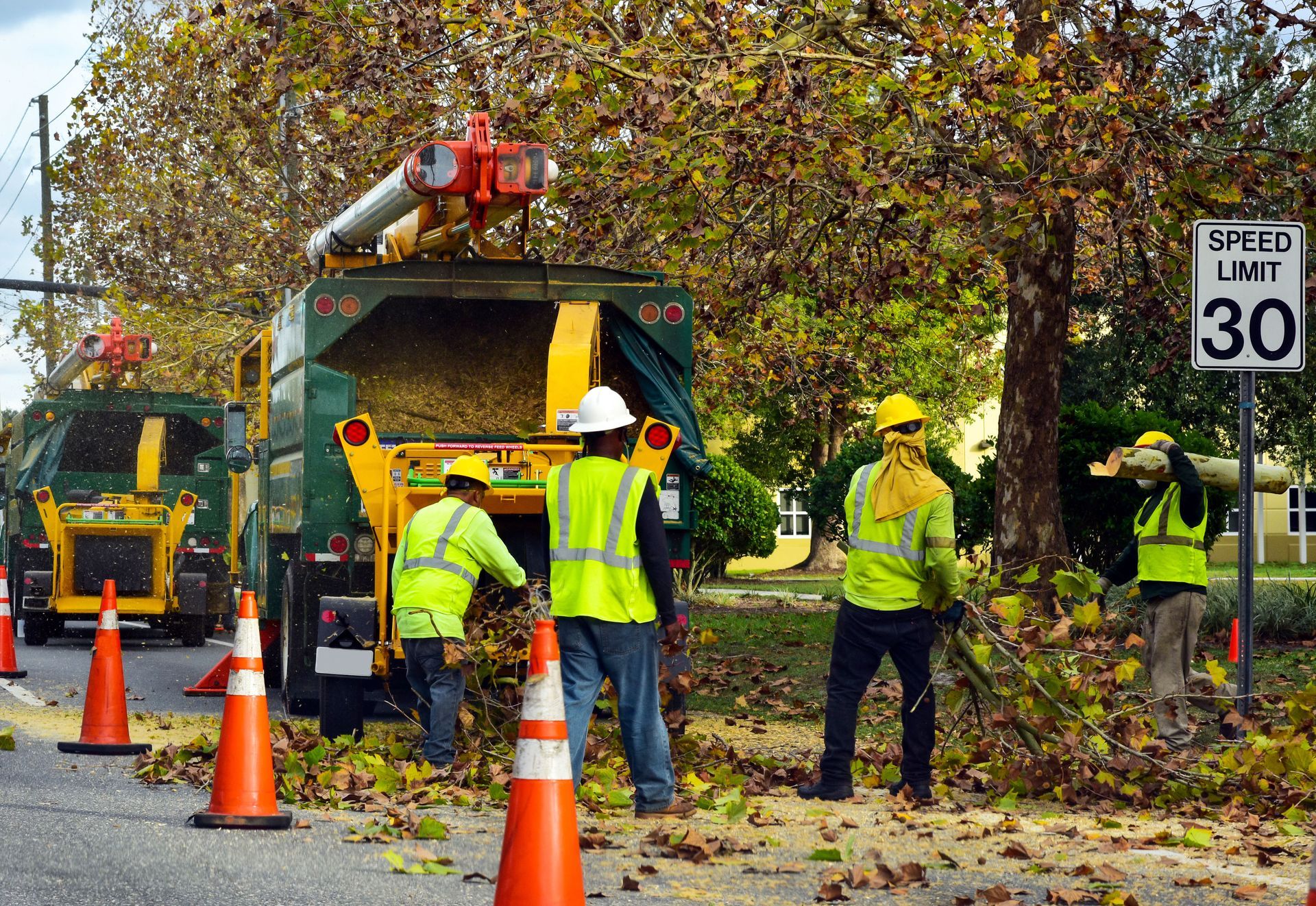
Stump grinding reduces a remaining stump below ground level, making the area easier to mow or replant. It does not automatically remove every root, and the resulting wood chips may need to be cleared or managed. Ask about underground utilities and any plans for restoring the area before work begins.
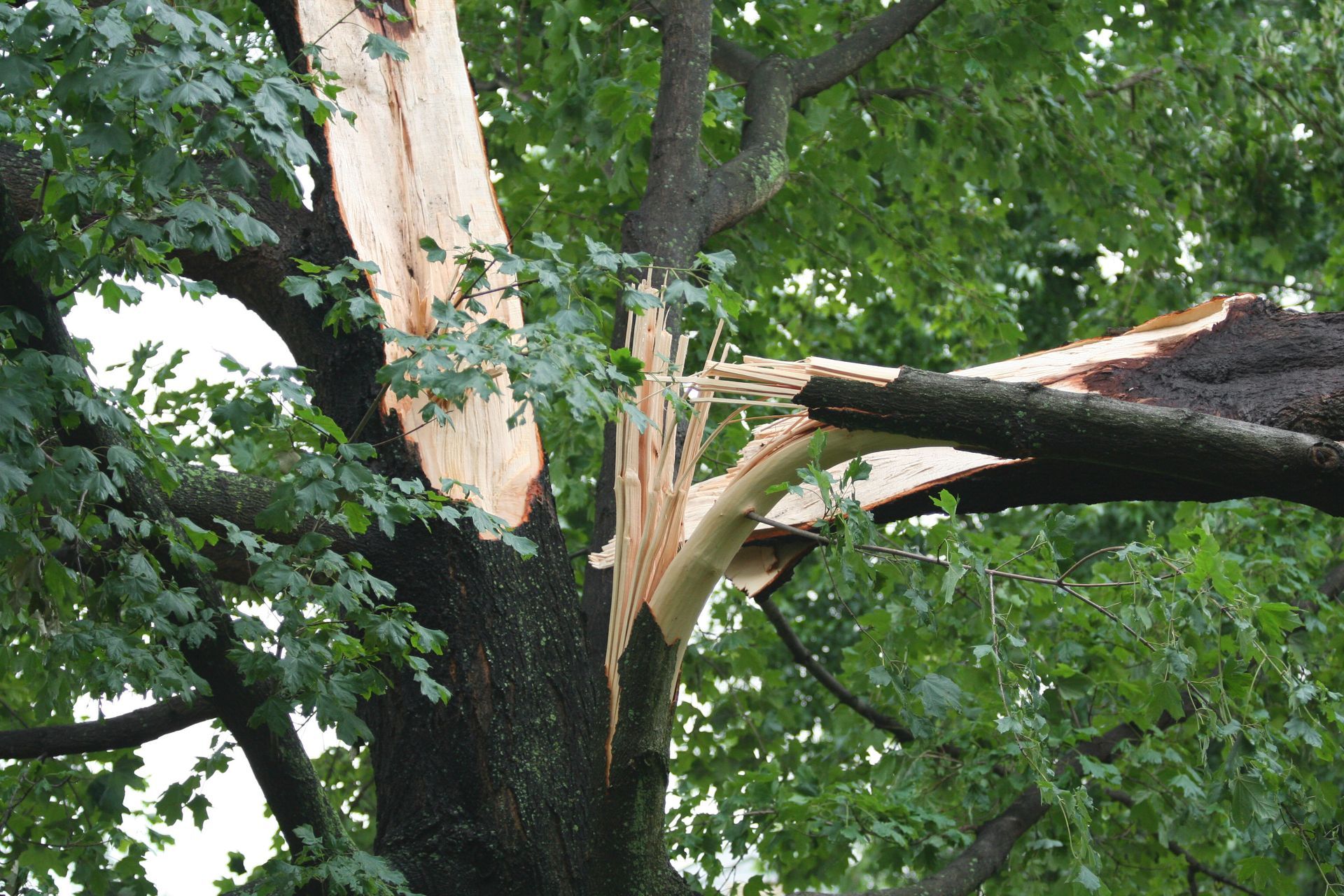
Tree-health assessments focus on signs such as thinning foliage, discolored leaves, dead branches, cracks, fungal growth, or changes around the trunk and roots. An assessment can help identify stress, pests, disease, soil issues, or structural defects. Depending on the findings, a professional may recommend monitoring, pruning, soil improvements, or treatment. Other tree services may include emergency storm response, young-tree care, and support systems for selected limbs.
How Often Should Trees in My Yard Be Serviced?
No single schedule suits every tree. Species, age, growth rate, location, and condition all affect maintenance needs. Young trees may need periodic structural pruning, while mature trees often require less frequent, targeted work. Storm damage, visible decline, or branches near a roof call for earlier attention.
For established trees, a professional inspection every few years can be a starting point, with more frequent checks for older or higher-risk trees. Newly planted trees need monitoring as their roots establish, and fast-growing species may need more frequent clearance work.
Walk around your yard periodically and look for changes. Watch for large dead branches, sudden leaning, soil lifting near the trunk, new cracks, broken limbs, or fungal growth around the base. After a severe storm, check from a safe distance rather than approaching hanging branches or damaged trees. If a tree is touching a power line, stay away and contact the utility company.
Regular
tree services can often be planned seasonally, but the best timing depends on the species and purpose of the work. Some pruning is best scheduled during dormancy, while dead or hazardous branches may require prompt attention regardless of season.
Can Tree Services Help in Preventing Tree Diseases?
Preventive tree services can reduce some risks, though no service can guarantee a disease-free tree. Leaf spots, cankers, dieback, unusual growth, and insect activity can have different causes. A trained professional can assess symptoms and recommend monitoring, testing, changes in care, or treatment.
Prevention often begins with healthy growing conditions. Trees need suitable soil, enough space for their roots and canopies, and appropriate watering while establishing. Excessive watering, compacted soil, root damage, and injuries from lawn equipment can all contribute to stress. Mulch can help conserve moisture and moderate soil temperature, but it should be spread in a broad, shallow layer and kept away from direct contact with the trunk.
Pruning also affects disease management. Removing infected material may help in certain cases, but tools and timing matter, and unnecessary cuts can create additional wounds. A professional can determine whether affected branches should be removed, how debris should be handled, and whether a specific treatment is justified. Pesticides and fungicides are not universal fixes; using them without identifying the problem may waste money or harm beneficial organisms.
Integrated pest management focuses on identifying the pest, assessing the level of damage, and choosing the least disruptive effective response. Sometimes the right approach is to improve growing conditions and monitor the tree rather than apply chemicals.
Keep Your Yard Healthier With Consistent Tree Care
A healthier yard starts with understanding what your trees need and addressing problems before they escalate. Pruning can improve structure and clearance, stump grinding can reclaim usable space, and professional assessments can uncover signs of stress, disease, or structural weakness. Choosing an experienced, insured provider helps ensure that the work supports tree health instead of creating new problems.
You do not need to schedule every service at once. Begin by identifying obvious hazards, noting changes in tree condition, and asking a qualified professional to prioritize the work. With a sensible maintenance plan and timely tree services, you can protect people and property, support local wildlife, and keep your landscape attractive for years to come. If you need reliable tree services, reach out to the team at H&M Tree Service Inc today!